


-

Add: HeBei ShengShi HongBang Cellulose Technology CO.,LTD.
-

Email
13180486930@163.com -

CONTACT US
+86 13180486930



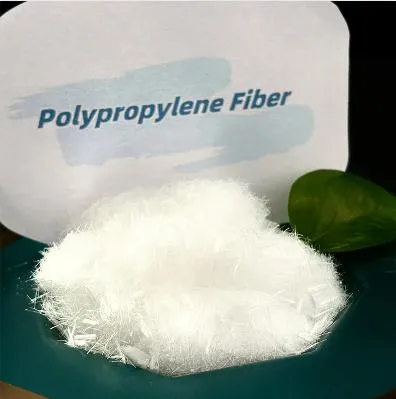


In the world of modern construction, synthetic fibers have revolutionized the way materials are used, enhancing the strength, flexibility, and durability of various building components. The different types of synthetic fibers available today are engineered for specific uses, making them indispensable in many construction projects. These fibers are often used to reinforce concrete, improve the resilience of building structures, and provide additional benefits like increased fire resistance and weather protection. From polypropylene fibers to long glass fibers , synthetic fibers offer a range of options tailored to different needs. Whether it’s increasing the strength of cement or providing insulation properties, the different types of synthetic fibers ensure that construction projects meet high standards of quality and longevity. In addition to their superior performance, synthetic fibers are often more cost-effective and readily available than traditional materials. This makes them a preferred choice for construction companies aiming to reduce costs while maintaining high-quality results. Furthermore, the environmental impact of synthetic fibers is increasingly being addressed with sustainable production methods, making them a more eco-friendly option for the construction industry. Long Glass Fiber Polypropylene: A Key Ingredient for Stronger Materials One of the standout synthetic fibers in the construction industry is long glass fiber polypropylene . This innovative fiber combines the strength of glass with the lightweight, corrosion-resistant properties of polypropylene. As a result, long glass fiber polypropylene is often used to reinforce concrete and other building materials, providing a significant boost in durability and performance. The inclusion of long glass fiber polypropylene in construction materials helps reduce cracking and improve the structural integrity of buildings and roads. The long fibers create a matrix that distributes stresses evenly across the material, preventing localized damage. This fiber is particularly useful in high-strength concrete applications where additional reinforcement is needed. Moreover, long glass fiber polypropylene is highly resistant to environmental factors like moisture, UV radiation, and temperature changes, making it ideal for both indoor and outdoor construction projects. It is commonly used in applications like paving, drainage systems, and even in the production of prefabricated building components. Its versatility and effectiveness in improving the lifespan and reliability of building materials make it a go-to solution for modern construction needs. Fibre Natural and Synthetic: A Comparison of Strength and Sustainability When choosing materials for construction, understanding the difference between fibre natural and synthetic options is crucial. While natural fibers such as jute, hemp, and cotton have been traditionally used in construction, synthetic fibers like polypropylene, polyester, and nylon have emerged as more durable and cost-effective alternatives. Fibre natural and synthetic materials each have their own advantages, making them suitable for different types of applications. Natural fibers are renewable, biodegradable, and often produced using more sustainable methods, making them a more eco-friendly option. However, they may not offer the same level of strength or resistance to environmental factors as synthetic fibers. On the other hand, synthetic fibers are engineered for durability, offering superior resistance to moisture, heat, and wear. They are often used to enhance the properties of natural materials, making them more suitable for demanding construction environments. For example, natural fibers like hemp may be used in insulation or as a reinforcement material in low-stress applications, while synthetic fibers like polypropylene or polyester are used for high-strength reinforcement in concrete, roofing, and other critical structures. By combining the best of both fibre natural and synthetic materials, construction companies can achieve optimal performance and sustainability. Non-Woven Polypropylene Fiber: A Revolutionary Material in Construction Non woven polypropylene fiber is another essential material that is increasingly being used in the construction industry. Unlike traditional woven fabrics, non woven polypropylene fiber is made from a process that bonds fibers together without weaving or knitting, resulting in a highly versatile material with excellent durability and moisture resistance. This fiber is widely used in applications like drainage systems, geotextiles, and road construction. Non woven polypropylene fiber provides a lightweight yet strong solution for reinforcing construction materials. It is often used in soil stabilization, as it helps prevent erosion and improves the strength of the ground underneath roads, bridges, and buildings. The material's ability to resist moisture also makes it ideal for protecting against corrosion and extending the lifespan of infrastructure. Additionally, non woven polypropylene fiber is environmentally friendly, as it is made from recyclable polypropylene, a material that can be repurposed for various other uses. Its cost-effectiveness, combined with its high-performance qualities, makes it a popular choice for contractors seeking durable and sustainable solutions for their construction projects. S ynthetic F ibers FAQs What are the different types of synthetic fibers used in construction? Synthetic fibers used in construction include polypropylene, polyester, nylon, and glass fibers. Each type is engineered for specific applications, such as reinforcing concrete, improving durability, and providing insulation. What is long glass fiber polypropylene, and why is it important in construction? Long glass fiber polypropylene is a fiber that combines the strength of glass with the lightweight, corrosion-resistant properties of polypropylene. It is essential in construction for reinforcing concrete, improving structural integrity, and preventing cracking. What are the benefits of using natural fibers in construction? Natural fibers , like hemp or jute, offer benefits such as renewability, biodegradability, and sustainability. They are commonly used for insulation and low-stress reinforcement, but may not be as durable or resistant to environmental factors as synthetic fibers. How does non-woven polypropylene fiber differ from woven fabrics? Unlike woven fabrics, non-woven polypropylene fiber is made through a bonding process that does not involve weaving or knitting. This results in a highly durable and moisture-resistant material, commonly used in geotextiles, drainage systems, and soil stabilization. Are synthetic fibers environmentally friendly? While synthetic fibers are often made from petroleum-based products, many are now produced using more sustainable methods. Additionally, materials like non woven polypropylene fiber are recyclable, making them a more environmentally friendly choice in construction. As construction needs evolve, synthetic fibers like long glass fiber polypropylene and non woven polypropylene fiber continue to play a crucial role in enhancing the strength, durability, and sustainability of building materials. If you're in the construction business, investing in these cutting-edge fibers will improve the performance of your projects and contribute to more eco-friendly practices. Visit our website today to explore our wide range of high-quality synthetic fibers and learn how they can transform your construction projects!
- 40000tons

Production
- 20+years

Experience
- 5000+㎡

Acreage

-
When it comes to enhancing the durability and strength of concrete, polypropylene fiber is an indispensable material. Known for its lightweight, corrosion-resistant properties, polypropylene fiber is widely used in construction to reinforce concrete, making it stronger, more durable, and more flexible. The addition of polypropylene fiber improves the overall performance of concrete by reducing cracking, improving freeze-thaw resistance, and providing better impact resistance. Whether you're working on large-scale infrastructure projects or residential buildings, incorporating polypropylene fiber into your concrete mix ensures high-quality, long-lasting results. Polypropylene Fiber in Concrete: Revolutionizing the Industry Polypropylene fiber in concrete is becoming a standard practice for improving the structural integrity of concrete mixes. When added to concrete, polypropylene fiber in concrete helps reduce the risk of microcracking, which can occur due to shrinkage or thermal stresses. The fibers disperse evenly throughout the mix, creating a more uniform and cohesive material. As a result, polypropylene fiber in concrete enhances the concrete’s durability and toughness, especially in high-stress environments like industrial flooring, highways, and bridges. With the increasing demand for sustainable construction, polypropylene fiber in concrete offers an affordable, eco-friendly solution for improving material performance. Find Quality Polypropylene Fiber for Sale Are you looking for polypropylene fiber for sale ? Look no further! We offer high-quality polypropylene fiber that meets the needs of various industries, especially in construction. Whether you’re looking to reinforce concrete, improve asphalt, or enhance other building materials, we have the right polypropylene fiber for sale for your project. Available in various grades and specifications, our polypropylene fiber products are designed to offer excellent performance, ease of use, and long-lasting results. Browse our selection of polypropylene fiber for sale and find the perfect match for your needs today! Understanding the Factors Behind Polypropylene Fiber Price The polypropylene fiber price can vary based on several factors, including the quality of the fiber, the quantity purchased, and the supplier. Typically, polypropylene fiber price is determined by the raw materials used, the manufacturing process, and the specific properties of the fiber. While polypropylene fiber price may differ between suppliers, investing in high-quality fibers ensures long-term benefits in terms of strength and durability. If you’re looking for the best value for your project, we offer competitive polypropylene fiber price s without compromising on quality. Contact us to discuss your requirements and get the most cost-effective solution for your concrete reinforcement needs. Why Choose Our Polypropylene Fiber for Your Construction Needs? Our polypropylene fiber products are carefully manufactured to meet the highest standards of quality and performance. Whether you need polypropylene fiber for sale in bulk for a large construction project or in smaller quantities for a specialized application, we can cater to your specific needs. With outstanding benefits like increased crack resistance, reduced shrinkage, and enhanced concrete durability, our polypropylene fiber is the perfect choice for improving the structural integrity of concrete. We offer highly competitive polypropylene fiber price s, ensuring that you get the best value for your investment. Trust us to provide top-quality polypropylene fiber for all your construction needs. Polypropylene Fiber FAQs What is polypropylene fiber used for in concrete? Polypropylene fiber in concrete is primarily used to enhance the strength and durability of the material. It helps prevent cracking by controlling shrinkage, improving impact resistance, and increasing freeze-thaw durability. By distributing evenly throughout the concrete mix, polypropylene fiber provides reinforcement that makes the concrete more resistant to stress and wear, resulting in longer-lasting structures. Where can I buy polypropylene fiber for sale? We offer a wide selection of polypropylene fiber for sale that meets the highest standards of quality, ensuring you get the best product for your concrete reinforcement needs. Browse our collection today and take advantage of our competitive prices. How does polypropylene fiber improve concrete? Polypropylene fiber improves concrete by enhancing its structural properties. It helps prevent cracking due to shrinkage, reduces the likelihood of surface wear, and improves the concrete’s resistance to water damage. Additionally, polypropylene fiber increases the material’s ability to withstand thermal and mechanical stresses, making it ideal for a wide range of applications in construction. What factors affect the polypropylene fiber price? The polypropylene fiber price is influenced by factors such as the grade of the fiber, the quantity purchased, and the supplier. High-quality polypropylene fiber designed for heavy-duty applications may have a higher price, while bulk purchases may lower the price per unit. We offer competitive polypropylene fiber price s, ensuring you get the best quality for your budget. Contact us for customized pricing based on your needs. Why should I choose your polypropylene fiber for my project? Our polypropylene fiber is designed for superior performance, offering outstanding crack resistance, durability, and flexibility in concrete. Whether you need polypropylene fiber for sale for a large construction project or a small-scale application, our products meet the highest industry standards. We provide polypropylene fiber at competitive prices, ensuring that you receive great value without compromising on quality. Trust us to deliver the best solution for your concrete reinforcement needs.
-

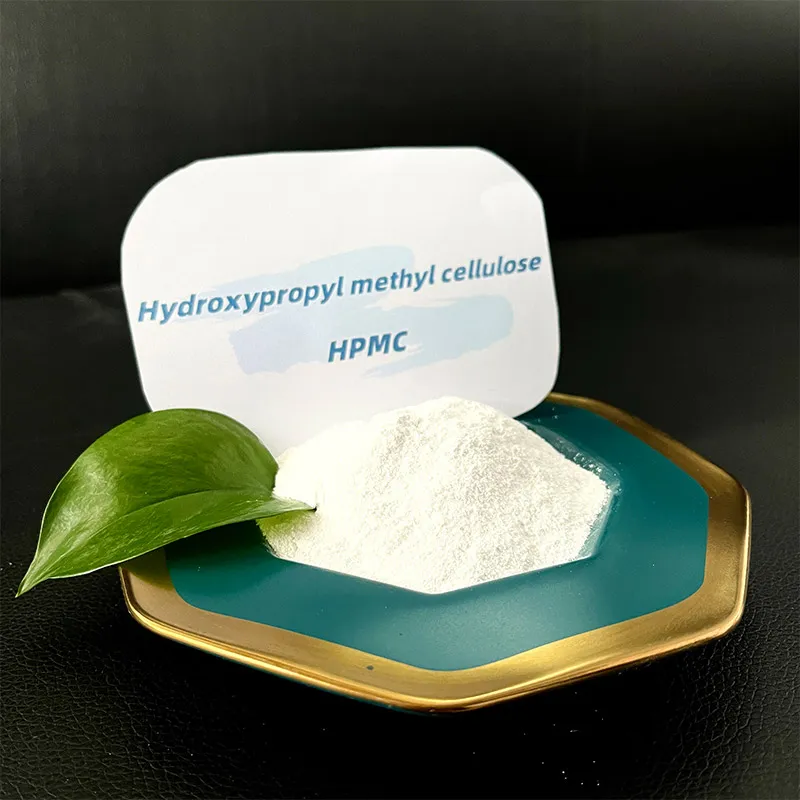
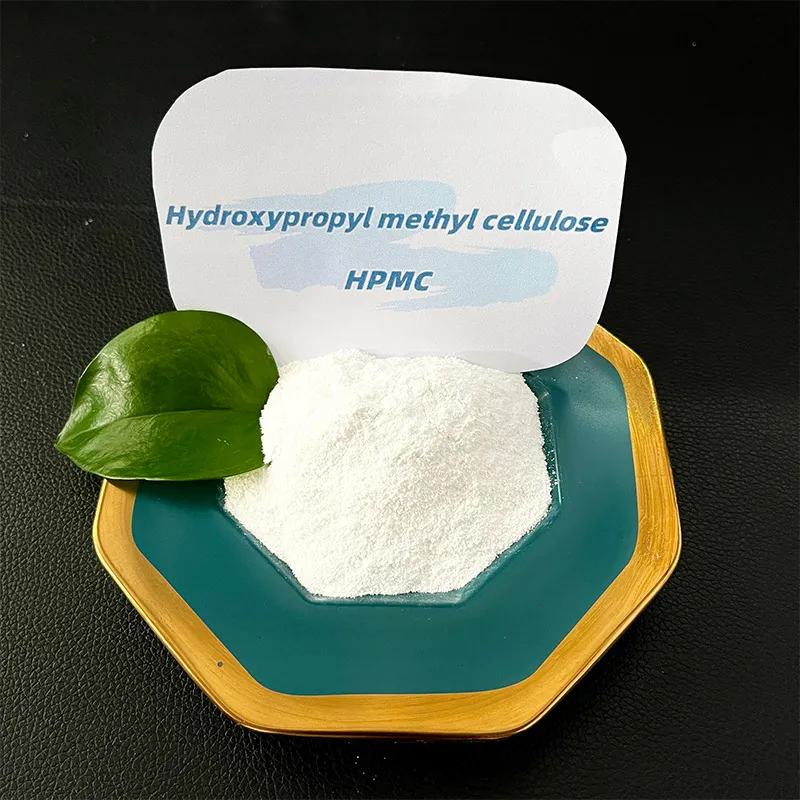
Hydroxypropyl Methylcellulose (HPMC) is gaining significant attention in the vegan and plant-based product sectors due to its versatile applications and alignment with consumer preferences for cruelty-free and sustainable products. As an industry expert with extensive experience in SEO optimization, understanding the nuances of promoting such vegan-friendly products online is instrumental for visibility and market success. HPMC, a plant-derived cellulose ether, is extensively utilized in food, pharmaceuticals, and cosmetic industries. Its derivation from natural sources, like wood pulp or cotton linters, ensures that it caters to the increasing demand for non-animal-based ingredients. Furthermore, being inherently non-toxic, biodegradable, and free from animal derivatives positions HPMC as an ideal choice for vegan product formulations, resonating with the ethical stance of conscious consumers. In enhancing online visibility for products containing HPMC, actual first-hand experiences provide an authentic narrative. For instance, numerous vegan product developers recount how incorporating HPMC improved texture and stability in products like vegan mayonnaise or dairy-free yogurts. The substance's film-forming capabilities and its ability to stabilize emulsions enhance mouthfeel and prevent phase separation, critical to consumer satisfaction. A culinary expert might highlight their successful experimentation with HPMC in creating a vegan whipped topping that retained its form without the use of gelatin or dairy, thus catering to both vegan and lactose-intolerant clientele. Specialists in food technology elaborate that the water retention properties of HPMC also prolong the shelf life of baked goods, an essential consideration for manufacturers aiming to reduce food waste. For example, vegan bread and pastries maintain moisture and softness longer, reducing spoilage and ensuring consistent quality even days after production. These insights not only showcase the ingredient's functionality but fortify its perceived value through expertise-driven content. Furthermore, an authoritative viewpoint on the technical aspects of HPMC can be illustrated by engaging with food scientists who scrutinize the ingredient's viscosity and gelation properties. Through experimental validation and peer-reviewed studies, they demonstrate how subtle modifications in HPMC concentration can tailor product consistency, catering to various textural preferences across different cuisines and cultures. This level of detail assures prospective manufacturers of the ingredient’s adaptability to a wide range of culinary applications, fostering confidence and trust. hpmc vegan Trustworthiness is also reinforced through transparency in sourcing and ecological impact. Suppliers adhering to sustainable practices in the production of HPMC can leverage this as a key differentiator . Documented supply chain accountability, certifications for responsible sourcing, and commitment to reducing carbon footprints resonate with environmentally conscious consumers, creating a trustworthy brand image. Incorporating this information within an SEO-optimized framework involves strategic use of keywords, authentic storytelling, and linking to reputable sources that validate claims. s and meta descriptions should succinctly reflect the vegan appeal and the technical benefits of HPMC, drawing potential customers into an immersive exploration of the product’s potential. Furthermore, implementing schema markup can help search engines crisply understand and present this content, enhancing click-through rates from search result pages. Engaging multimedia content such as tuturorial videos or infographics can also provide step-by-step guidance on HPMC integration in vegan formulations, further enhancing user engagement and reducing bounce rates. Such diverse content approaches ensure that the webpage appeals to a wide audience, from lay consumers interested in plant-based diets to industry professionals seeking to refine their product offerings. Ultimately, positioning HPMC as a valuable asset in vegan product development requires a concerted effort to communicate its benefits compellingly and authentically. Through a combination of personal anecdotes, expert insights, authoritative data, and trustworthy practices, the online presence of HPMC vegan products can be significantly bolstered, driving both awareness and adoption in a market eager for innovation and ethical integrity.
advantages
-

200000 Viscosities
Excellent product
We can produce pure products up to 200,000 viscosities
-

40000 tons
High yield
We don’t stop production all year round, and the annual output can reach 40,000 tons
-

24 hours
Quality service
We provide 24-hours online reception service, welcome to consult at any time
———— Inquiry Form
Schedule A services


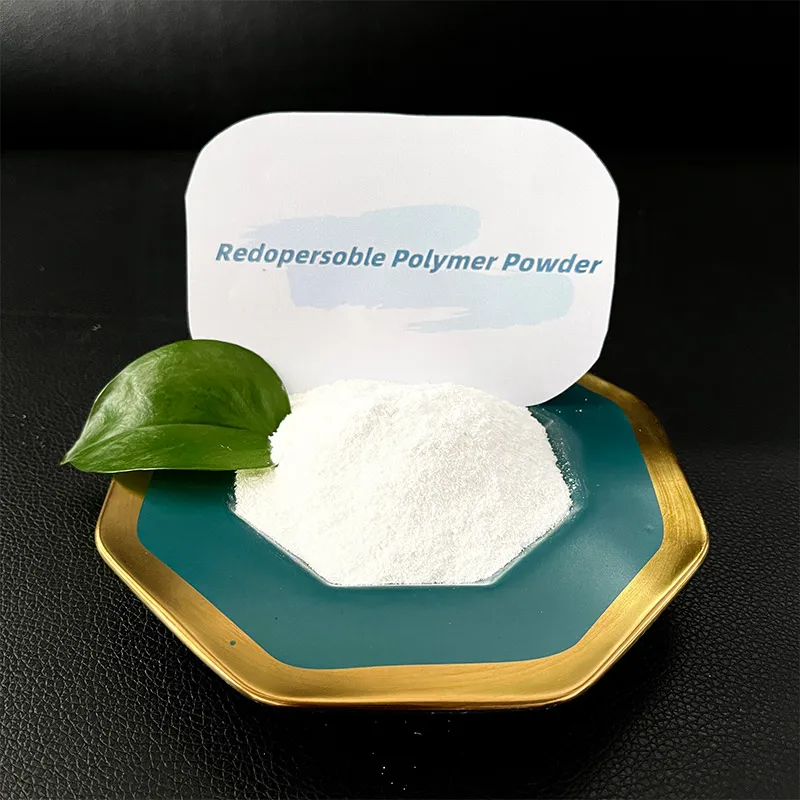
-
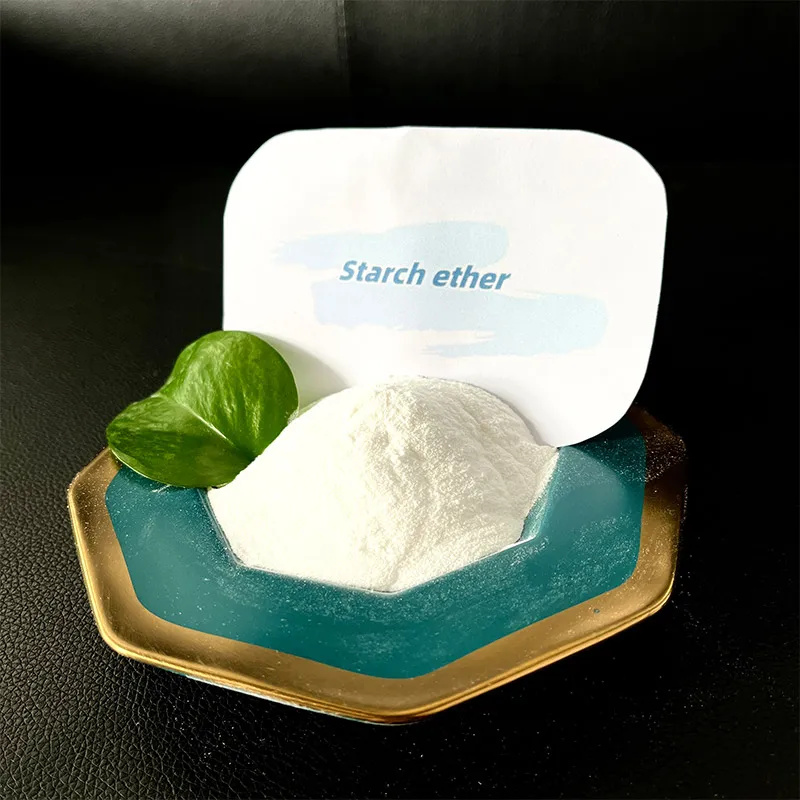 high_density_polyethylene_powder
Oct . 25, 2025
Hydroxypropyl Methyl Cellulose (HPMC) has emerged as a versatile material in various industries, off -
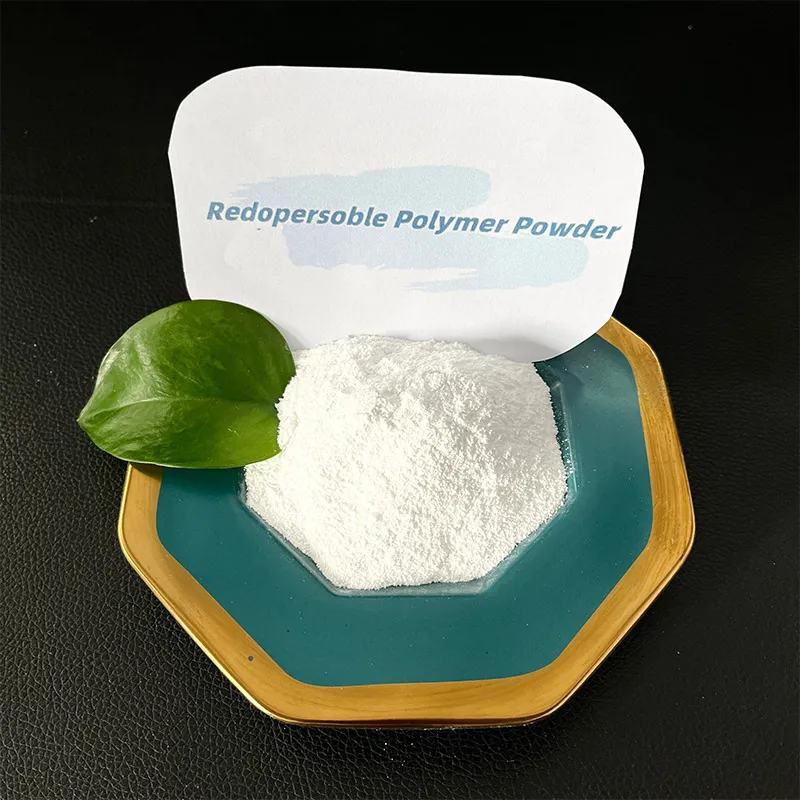 gentamicin_with_hpmc_eye_or_ear_drops
Oct . 25, 2025
Methyl hydroxyethyl cellulose (MHEC) is a versatile polymer that is widely used across various indus -
 rubber_anti_tack_powder
Oct . 25, 2025
High-performance environment-friendly rubber powder has become a game-changer in modern industrial a


